Beetroot Color Applications Influencing Modern Color of Beetroot Usage
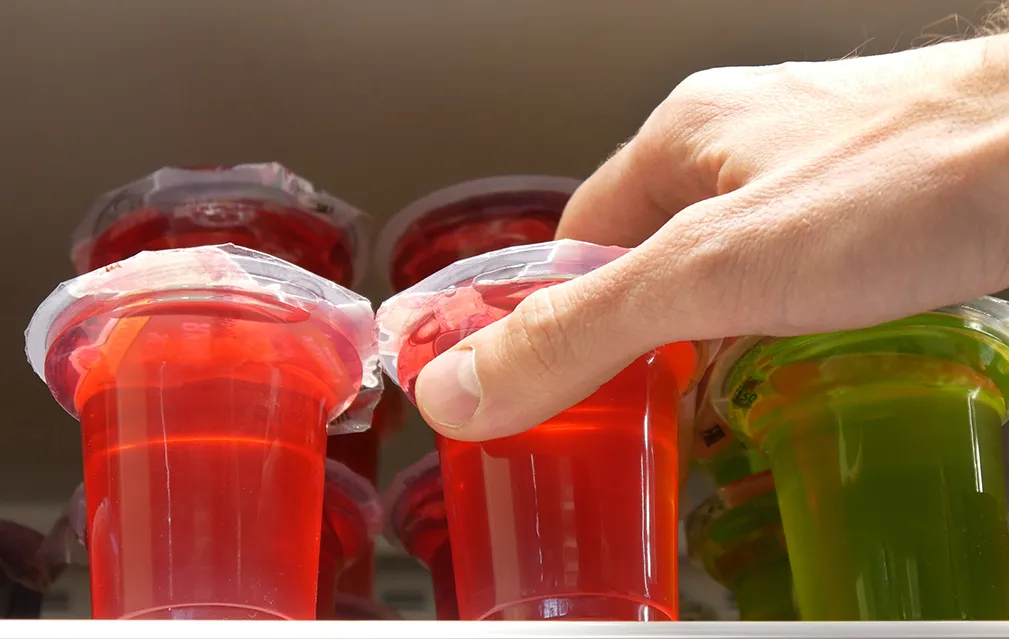
Packaged food companies now spend more time reviewing ingredient lists before launching updated products into competitive retail markets worldwide. Customers often notice artificial additives quickly while comparing beverages, confectionery products, and frozen desserts inside supermarkets regularly. Because of these changing preferences, beetroot-colored ingredients became more common across commercial food manufacturing operations requiring red or pink visual tones naturally. Different applications of the color of beetroot now appear inside dairy products, flavored drinks, baked goods, and processed confectionery categories internationally.
Beverage production requires controlled processing conditions.
Liquid products create several technical challenges because natural ingredients respond differently under heat, acidity, and long transportation conditions afterward. Some color ingredients lose brightness gradually when exposed to warehouse lighting or fluctuating storage temperatures during retail distribution operations globally today. A properly chosen cream color scheme usually plays better when beverage companies first check for consistency at some level in practical production packaging conditions. Several Colour of beetrootsuppliers also recommend checking pH compatibility before large-scale commercial beverage manufacturing begins officially.
Different Food Categories Need Different Color Concentrations.
Manufacturers rarely use one ingredient concentration across every production line operating within commercial food processing environments each day. Yogurts, candies, ice creams, and fruit preparations all react differently depending on moisture levels, fat content, and processing temperatures involved later on. A reliable beetroot Colour application usually depends heavily on recipe balance and final product presentation expectations from commercial buyers today. Now, several colors of beetroot factor suppliers worldwide are helping with custom formulas specially designed for frozen desserts, confectionery, and beverage packages.
Packaging Choices Affect Long Term Product Appearance
Many food companies recognize particular recipe innovations and overlook how packaging products affect the elemental balance after distribution starts later. Exposure to oxygen, direct daylight, and the temperature of transport now repeatedly adjust the visual consistency of internally packaged products displayed at grocery stores worldwide. The appropriate cream color solution generally works extra effectively when companies combine the right aspect management with well-defined packaging systems at some point in the warehouse operation. Different colors of beetroot formulations also need to be tested under actual storage conditions before wider retail expansion takes the field commercially.
Consumer Interest Around Natural Ingredients Keeps Expanding
Modern buyers compare labels more carefully because ingredient transparency now influences food purchasing behavior across many global retail sectors today. Products containing recognizable plant-derived ingredients often attract stronger attention compared with heavily artificial-looking alternatives sold beside them regularly. Commercial beetroot color ingredients help manufacturers create vibrant red and pink shades while supporting cleaner ingredient positioning inside competitive markets worldwide. Various colors of beetroot applications also support innovation within reduced-sugar beverages, premium desserts, bakery fillings, and fruit-based processed food categories today.
Conclusion
Natural ingredient demand continues shaping food manufacturing strategies across several commercial industries producing packaged products globally today. Many product developers now explore foodrgb.com for practical information regarding ingredient applications and commercial color formulation support requirements. Choosing suitable beetroot Color solutions often help manufacturers improve visual appeal while maintaining cleaner ingredient positioning inside modern retail environments successfully. Reliable colors of beetroot applications also support better consistency across beverages, confectionery items, dairy products, and frozen desserts during commercial processing operations. Businesses planning future product development should compare ingredient quality, technical assistance, and supplier consistency carefully before establishing sourcing partnerships.